New Puppy 4-Week Training Plan: Potty, Cues & Socialization
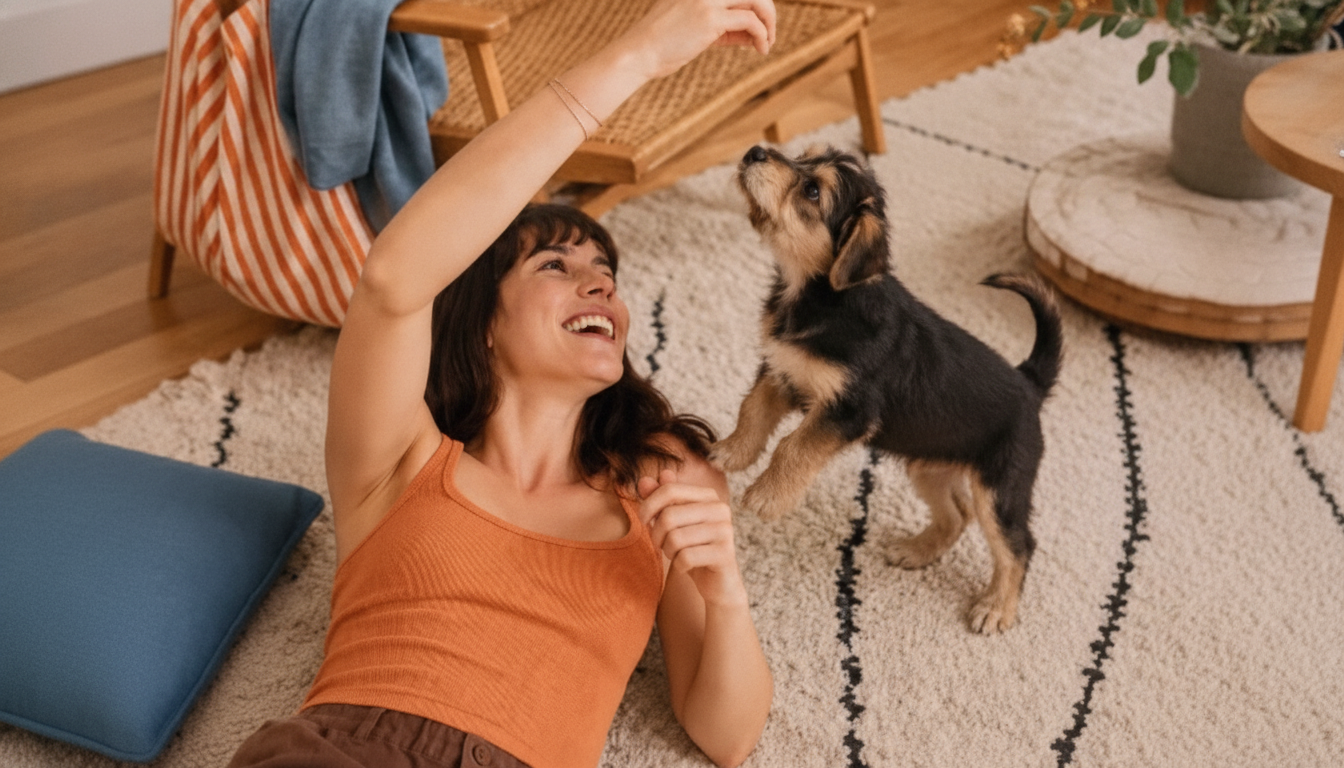
New Puppy Training Starter Guide: A 4-Week Routine for House-Training, Basic Cues, and Confident Socialization
A new puppy learns fastest with clear routines, tiny training sessions, and consistent rewards. The goal in the first month is simple: prevent practice of unwanted behaviors, reward the right ones on time, and build confidence through safe, positive exposure. Below is a practical 4-week framework for house-training, first cues, and socialization—plus quick fixes for the most common bumps (accidents, biting, and crate whining) without turning your days into nonstop “training mode.”
Start Here: Setting Up Success in the First 48 Hours
Those first two days set the tone. Instead of trying to correct problems after they happen, focus on management so the puppy can’t rehearse the behaviors you don’t want.
- Choose a management plan: crate, playpen, or tethering indoors. The purpose is to prevent sneaky potty accidents, chewing, and frantic zoomies when no one can supervise.
- Build predictable cycles: “sleep–potty–play–train–eat” keeps the puppy’s body and brain on a schedule, which reduces stress and accidents.
- Pick rewards and a marker: use tiny soft treats and a calm marker word like “Yes” to pinpoint the exact moment the puppy did the right thing.
- Decide house rules now: furniture access, rooms allowed, greeting style, and what’s off-limits. Consistency across everyone in the home prevents confusion.
If you want a plug-and-play schedule you can post on the fridge, the New Puppy Training Starter Guide (printable eBook) is designed for daily use—especially helpful if multiple family members share puppy duties.
Daily Routine Basics: Sleep, Potty, Food, and Quiet Time
Puppies need a surprising amount of sleep. When naps are skipped, “bad behavior” often shows up as biting, barking, and wild zooming—not because the puppy is stubborn, but because the puppy is overtired.
- Plan frequent naps: a well-rested puppy is easier to house-train and less mouthy.
- Potty timing: immediately after waking, after eating/drinking, after play, and before/after crating. For young puppies, set a timer so you don’t rely on “signals.”
- One potty spot + one cue: go to the same spot and say “Go potty.” Reward right after the puppy finishes—before going back indoors.
- Teach calm: practice short settle sessions on a mat. Quiet behavior is a skill, not a personality trait.
| Time block | What to do | Goal |
|---|---|---|
| Morning wake-up | Potty → breakfast → short play | Start the day with a win and reduce accidents |
| Mid-morning | Nap in crate/pen | Prevent overtired biting and whining |
| Lunch window | Potty → 3–5 min training → enrichment | Build habits with tiny sessions |
| Afternoon | Socialization outing (safe, brief) → nap | Confidence without flooding |
| Evening | Potty → dinner → calm chew | Wind down; avoid late-night chaos |
| Before bed | Final potty → crate/pen | Support longer night stretches |
House-Training: A Simple Plan That Prevents Accidents
House-training improves fastest when accidents are prevented—not “trained through.” The more times a puppy pees indoors, the more that location starts to feel like a normal bathroom.
- Supervision is training: if eyes can’t be on the puppy, use a crate or pen. Freedom is earned through clean weeks, not age.
- Reward-based timing: deliver the treat within 1–2 seconds of finishing outdoors. That timing is what makes the lesson stick.
- Accident protocol: if caught mid-stream, gently interrupt and carry the puppy outside to the potty spot. Indoors, clean with an enzymatic cleaner so lingering odor doesn’t invite repeats.
- Track patterns: note the time, place, and what happened right before the accident. Frequent accidents usually mean the puppy had too much freedom too soon.
- Night success: unless your veterinarian advises otherwise, consider offering the last big water a couple hours before bed, do a final potty trip, and keep the sleep area calm and consistent.
Week-by-Week Training Focus (4 Weeks)
Keep sessions short: 3–5 minutes, a few times per day. End while your puppy is still winning—stopping early builds confidence and keeps cues crisp.
- Week 1: name game, hand target, first leash steps, crate comfort, and consistent potty routine.
- Week 2: add “Sit” and “Down,” start “Leave it” foundations, and practice calm greetings (four paws on the floor).
- Week 3: introduce “Come” indoors at short distance, “Drop it,” and brief alone-time practice to reduce future separation stress.
- Week 4: combine skills with gentle distractions: short outdoor sessions, polite walking expectations, and longer settle periods.
First Cues to Teach (and How to Teach Them Without Confusion)
Socialization: Building Confidence Safely
For deeper guidance on safe, early exposure, see the American Veterinary Society of Animal Behavior (AVSAB) socialization position statement and the American Kennel Club puppy training basics.
Common Problems and Quick Fixes
Using a Printable Starter Guide to Stay Consistent
For households coordinating routines (kids included), pairing the puppy schedule with a simple communication tool can reduce missed potty trips and inconsistent rules. The Talk & Connect: Parent-Child Communication Workbook can help families stay aligned on responsibilities and expectations while the puppy is settling in.
FAQ
What is the first thing you should teach a new puppy?
Start with name response and a consistent potty routine. Name response builds attention on cue, and a predictable potty schedule prevents accidents from becoming a learned habit.











Leave a comment